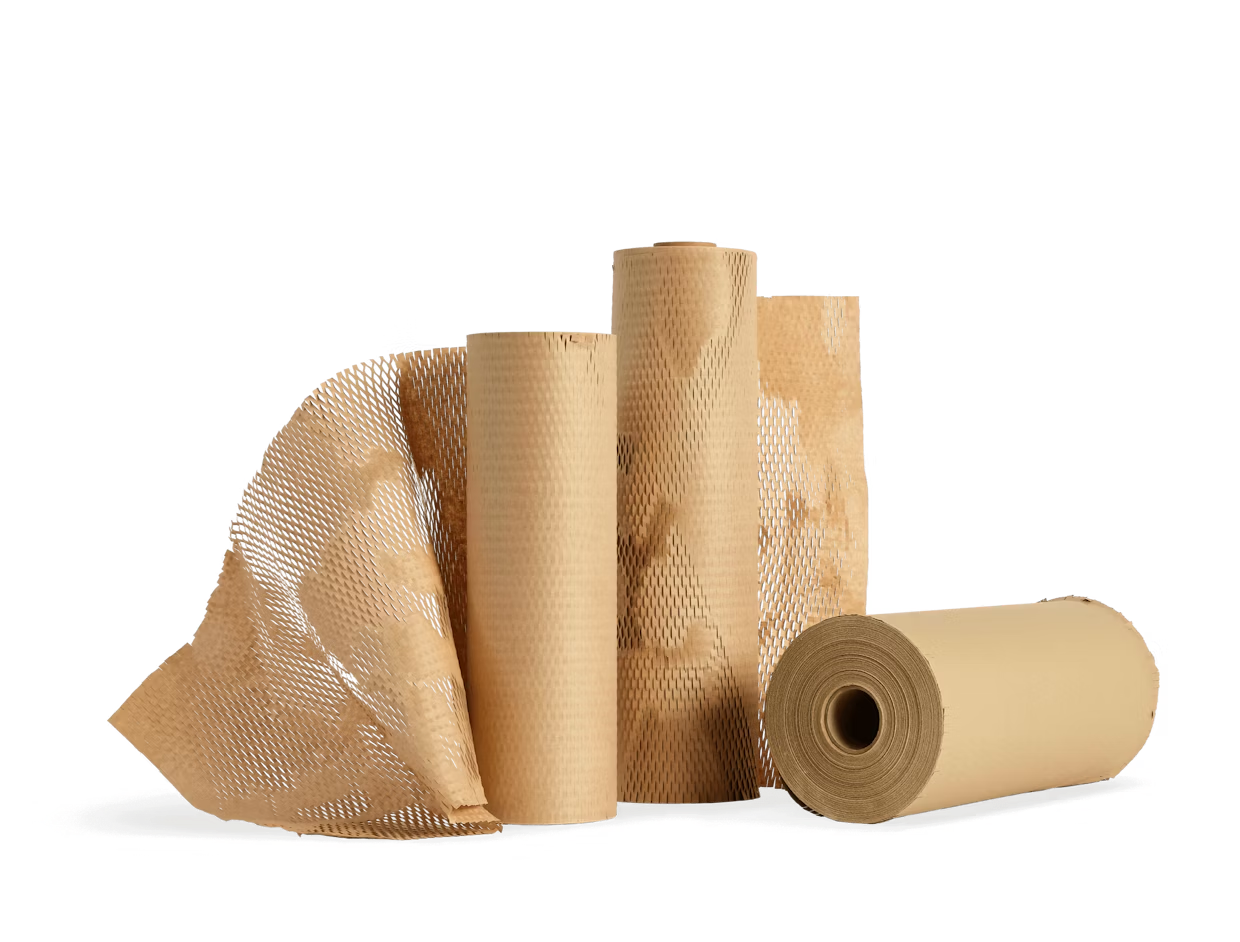
Honeycomb Paper vs Bubble Wrap: Which Is Better?
 By
/ October 12, 2026
When choosing protective packaging, businesses often ask the same question: honeycomb paper vs bubble wrap — which one is better?
The answer depends on what you’re packaging.
Bubble wrap has been widely used for years because its air-filled bubbles provide cushioning. Honeycomb paper takes a different approach by using an expandable paper structure to wrap and protect products.
For businesses in Pakistan, the decision may also depend on packaging presentation, storage, sustainability goals, product type, and operating costs.
Let’s compare both options.
What Is Honeycomb Paper?
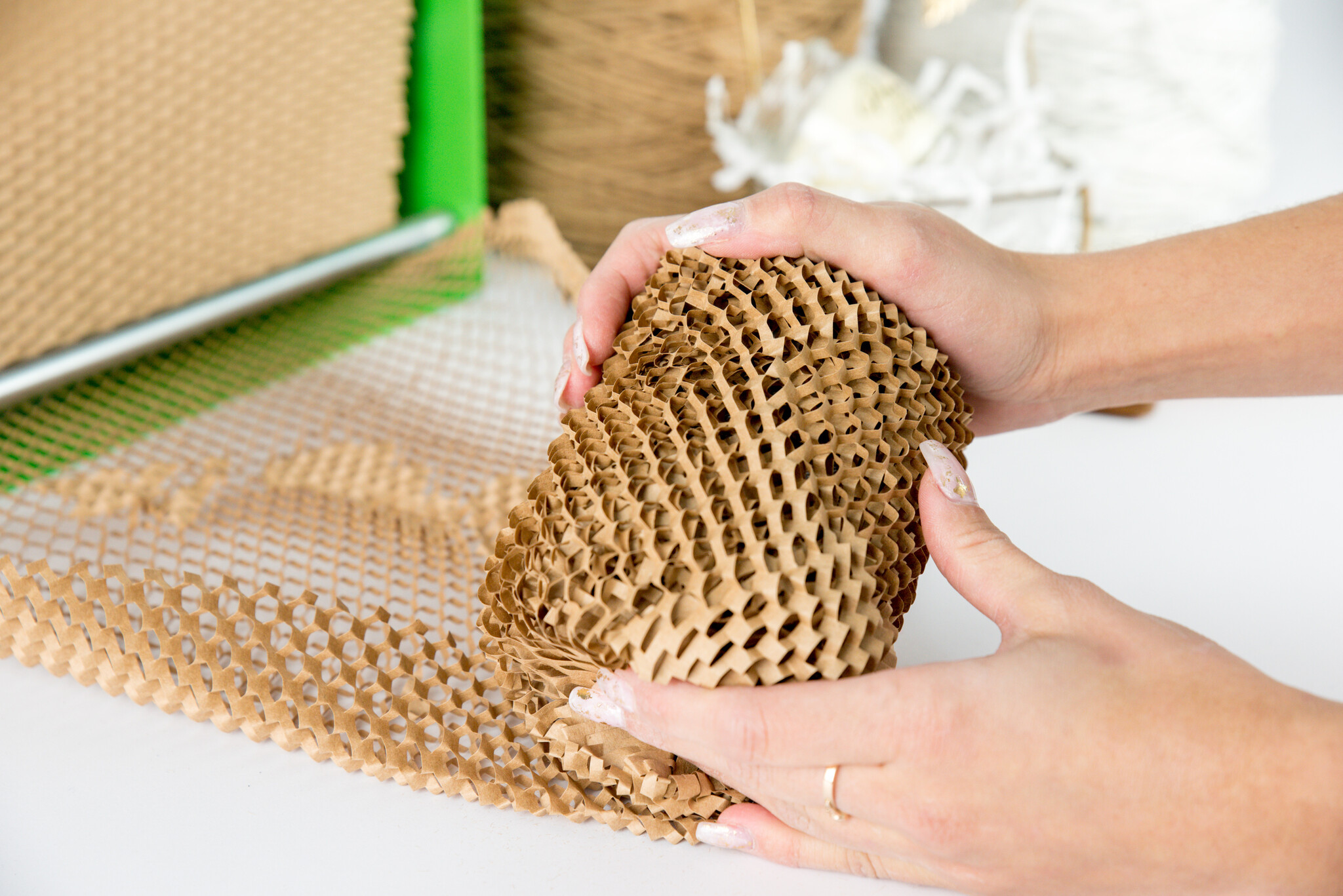
Honeycomb paper is an expandable paper-based packaging material. When stretched, its structure opens into a honeycomb pattern that can wrap around products.
It is commonly used for:
- Glassware
- Ceramics
- Cosmetics
- Gifts
- E-commerce orders
- Decorative products
- Retail packaging
Azopac currently offers honeycomb paper rolls in different sizes for packaging applications.
What Is Bubble Wrap?
Bubble wrap is a plastic packaging material containing air-filled bubbles. These bubbles provide cushioning around products.
It can be useful for products that require additional impact protection, especially when combined with a suitable box and other protective materials.
However, businesses increasingly consider paper-based alternatives where appropriate because packaging choices also influence waste and brand presentation.
Honeycomb Paper vs Bubble Wrap: Protection
Protection should always be the first consideration.
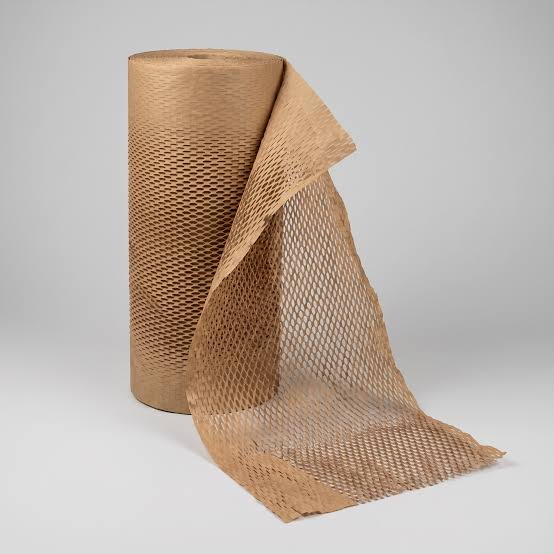
Honeycomb paper can provide wrapping, cushioning, and surface protection for many lightweight and medium-weight products.
Bubble wrap provides air-filled cushioning and can be useful where additional impact protection is required.
The right choice depends on the product.
For example:
Glass bottle: Honeycomb paper can be used as a wrapping layer, while additional cushioning may be appropriate depending on the bottle and shipping conditions.
Cosmetics: Honeycomb paper can provide protection while also improving presentation.
Heavy electronics: Additional protective materials may be required regardless of whether honeycomb paper or bubble wrap is used.
Sustainability Comparison
One of the biggest reasons businesses consider honeycomb paper is its paper-based composition.
Many businesses want to reduce their dependence on plastic packaging and provide customers with packaging that aligns better with sustainability goals.
Honeycomb paper can be recyclable when the material and local recycling system allow it.
Bubble wrap, on the other hand, is plastic-based.
That does not automatically make honeycomb paper suitable for every application, but it does make it an attractive option for businesses prioritizing paper-based packaging.
Storage Comparison
Storage is another important consideration.
Packaging materials occupy valuable warehouse space.
Honeycomb paper rolls are stored in roll form and expand during use, allowing businesses to keep packaging material organized before it is needed.
Businesses should still evaluate their available storage area and expected order volume before choosing roll quantities.
Unboxing Experience
This is where honeycomb paper can have an advantage for many brands.
A parcel wrapped in craft-style paper can create a clean, natural, and premium appearance.
For e-commerce brands, packaging is part of the customer experience.
Instead of customers opening a box filled with plastic material, a business can create a more intentional unboxing experience using paper-based packaging.
Which Is More Suitable for E-Commerce?
For many e-commerce sellers, honeycomb paper is an attractive option for:
- Clothing accessories
- Cosmetics
- Gifts
- Glassware
- Ceramics
- Small decor
- Retail products
However, product protection should always come first.
If an item is highly fragile or particularly sensitive to impact, businesses may need a combination of protective materials rather than relying on one material alone.
Can You Use Honeycomb Paper and Bubble Wrap Together?
Yes.
Packaging does not always have to be an either/or decision.
A business may use one material for primary cushioning and another for outer wrapping or presentation.
For example:
Product → protective cushioning → honeycomb paper → carton
This can provide both protection and a cleaner presentation.
Which One Should Your Business Choose?
Choose honeycomb paper when:
- You want paper-based packaging.
- Presentation matters.
- You want a premium craft appearance.
- You package lightweight or medium-weight products.
- You want an alternative to plastic wrapping.
Consider bubble wrap or a combination of materials when:
- Your product requires substantial impact cushioning.
- You ship particularly fragile items.
- Your packaging design requires additional protective layers.
Final Thoughts
There isn’t one packaging material that is perfect for every product.
Honeycomb paper is a strong choice for businesses looking for flexible, paper-based protective wrapping with an attractive presentation.
Bubble wrap remains useful for applications where air cushioning is required.
For many businesses, the smartest approach is not simply replacing one material with another. It is designing a packaging system that gives the product the right protection while balancing cost, sustainability, storage, and customer experience.
Explore Azopac honeycomb paper and find a packaging solution for your business