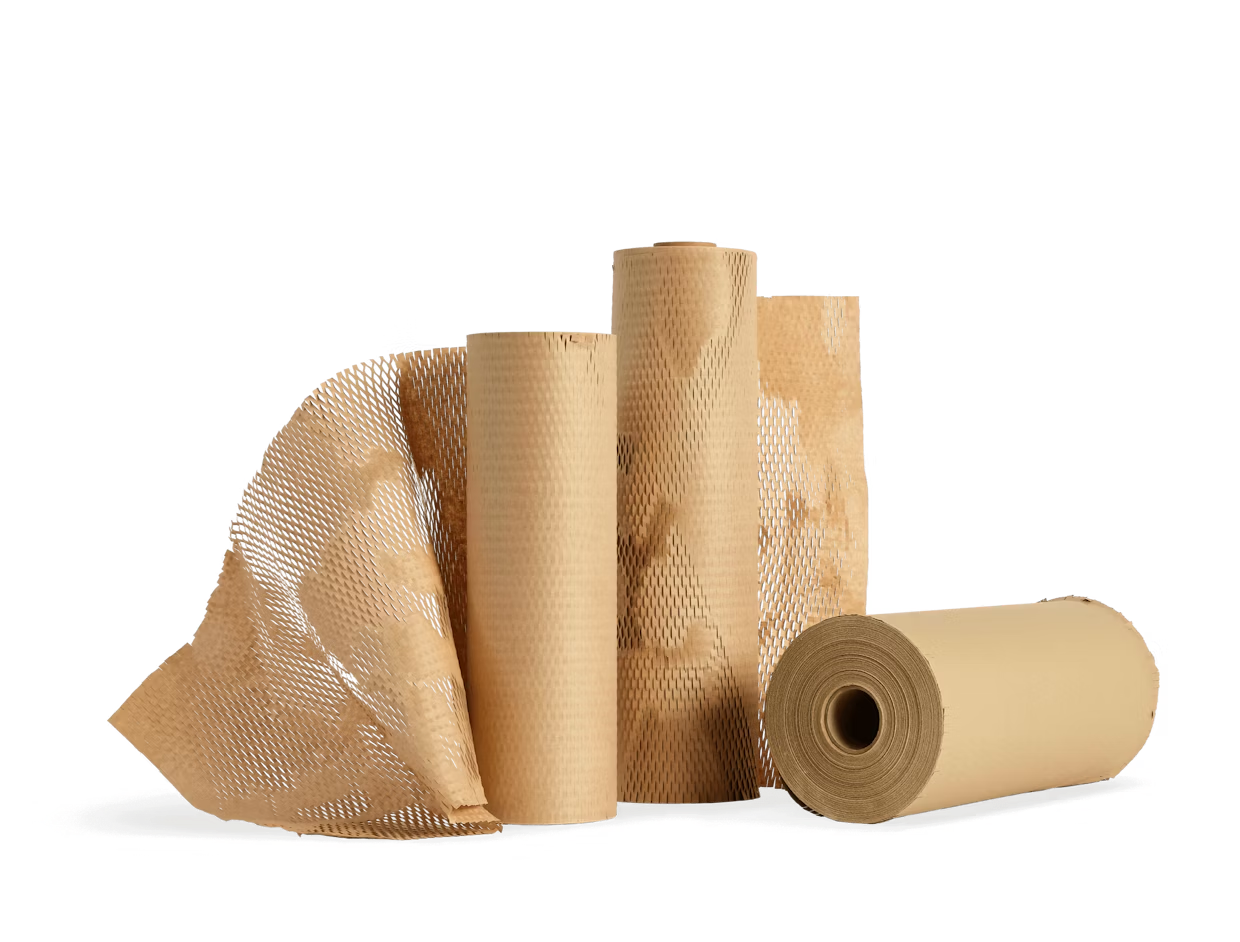
How to Pack Glass Bottles With Honeycomb Paper
 By
/ October 12, 2026
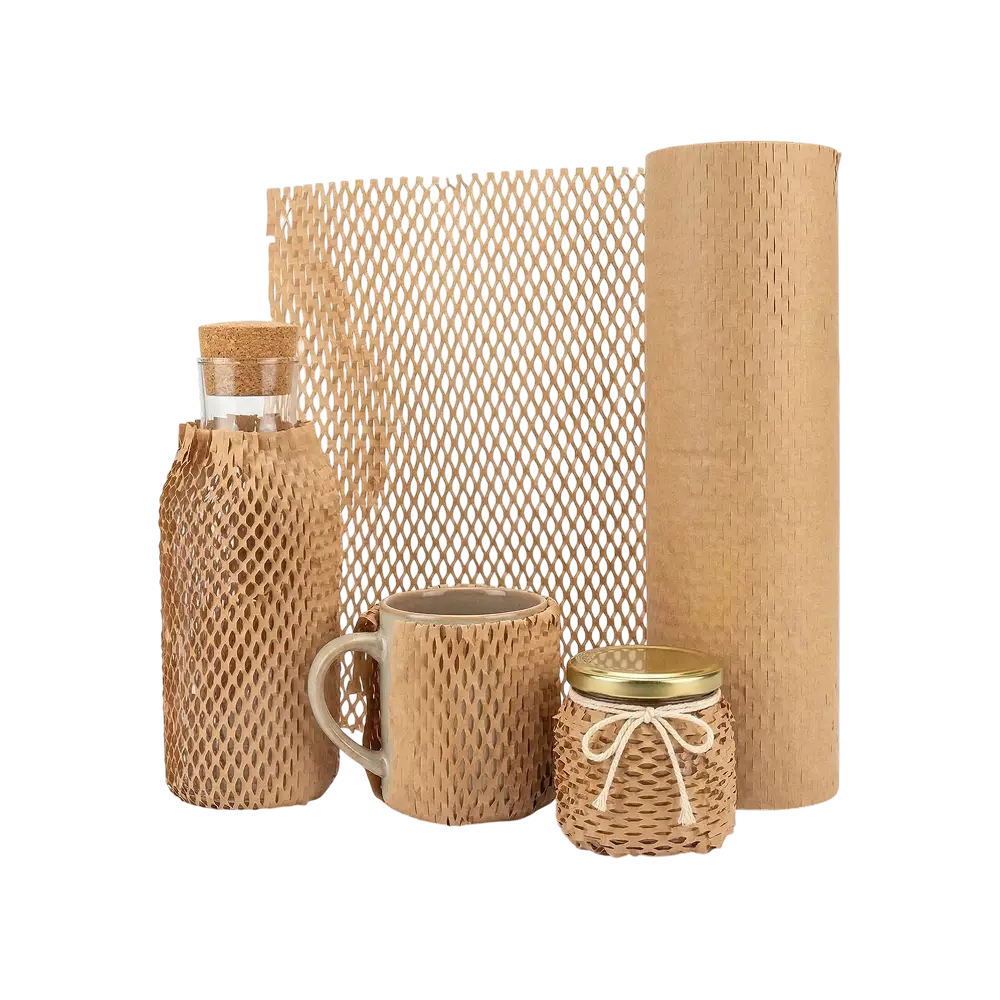
Glass bottles look premium, but they require careful packaging. Whether you’re shipping perfumes, oils, beverages, cosmetics, sauces, candles, or decorative bottles, poor packaging can lead to damaged products and unhappy customers.
One useful paper-based packaging option is honeycomb paper.
Honeycomb paper creates a flexible protective layer around products and can be used as part of a properly designed bottle-packaging system.
Here’s how to approach it.
Why Glass Bottles Need Protective Packaging
Glass is strong but brittle.
A bottle can be damaged by:
- Impact
- Compression
- Product movement
- Poorly sized boxes
- Rough handling
- Insufficient cushioning
- Empty space inside the carton
This means wrapping the bottle alone isn’t enough.
The box, internal cushioning, and wrapping material should work together.
Why Use Honeycomb Paper for Glass Bottles?
Honeycomb paper is useful for glass bottles because it can wrap around curved surfaces.
The expandable structure creates a protective paper layer around the bottle while providing a clean presentation.
It can also help prevent surface scratches and reduce direct contact between individual items when multiple products are packed correctly.
Step 1: Choose the Right Box
Start with a strong box that is appropriate for the bottle’s dimensions and weight.
Avoid using an over sized carton without internal cushioning.
Excess empty space allows the bottle to move during transportation.
Step 2: Prepare the Honeycomb Paper
Cut enough honeycomb paper to wrap the bottle securely.
The required amount depends on:
- Bottle size
- Bottle shape
- Number of layers
- Packaging method
- Required protection
Do not assume every bottle needs the same amount.
Step 3: Wrap the Bottle
Expand the honeycomb paper and wrap it around the bottle.
Make sure the material covers the important areas of the bottle rather than leaving large exposed sections.
Pay special attention to:
- Bottle body
- Shoulder
- Base
- Neck
- Areas where bottles may contact each other
Step 4: Protect the Bottle Base
The bottom of a glass bottle is an important area to protect.
Use additional paper cushioning where necessary, especially if the bottle sits directly against the bottom of the carton.
Step 5: Protect the Neck and Cap
Bottle necks and caps can also be vulnerable during shipping.
Wrap the upper section carefully and make sure the cap does not have excessive room to move inside the package.
Step 6: Place the Bottle Inside the Box
Put the wrapped bottle into the box.
If there is empty space around it, use suitable protective paper or another appropriate cushioning material to reduce movement.
The goal is to create a secure packaging environment rather than simply filling the box.
Step 7: Pack Multiple Bottles Carefully
If you’re shipping several bottles together, don’t allow bare glass surfaces to touch each other.
Wrap individual bottles and use dividers or suitable internal protection when needed.
This is especially important for commercial e-commerce shipments.
Step 8: Test Your Packaging
Before shipping large quantities, test the packaging.
Consider:
- Does the bottle move inside the box?
- Is there excessive empty space?
- Is the carton strong enough?
- Are the bottle necks protected?
- Is the base cushioned?
- Does the package remain stable when handled?
Testing a packaging design before mass shipping can help identify weaknesses.
Honeycomb Paper for Different Bottle Types
Honeycomb paper can be considered for:
- Perfume bottles
- Cosmetic bottles
- Oil bottles
- Glass jars
- Beverage bottles
- Decorative bottles
- Gift bottles
However, each product should be tested individually because bottle shape, weight, glass thickness, and shipping conditions vary.
Honeycomb Paper + Other Packaging
For higher-risk shipments, businesses may combine honeycomb paper with other packaging materials.
For example:
Glass bottle → protective wrap → internal cushioning → strong carton
For extremely fragile products, additional protective packaging may be necessary.
Azopac also provides other packaging solutions, including Air Column products, which can be considered for products requiring additional cushioning.
Final Thoughts
Learning how to pack glass bottles with honeycomb paper is less about simply wrapping the bottle and more about creating a complete protective packaging system.
Use an appropriate carton, wrap the bottle carefully, control movement, protect vulnerable areas, and test the packaging before shipping at scale.
For Pakistani e-commerce sellers and product manufacturers, honeycomb paper can provide a practical way to combine protection with a clean paper-based presentation.
Choose the right honeycomb paper roll from Azopac and build safer, more professional bottle packaging for your business.
https://www.pinterest.com/ideas/honeycomb-paper/915410260410/