How to Choose Honeycomb Paper Roll Size for Packaging
 By
/ October 13, 2026
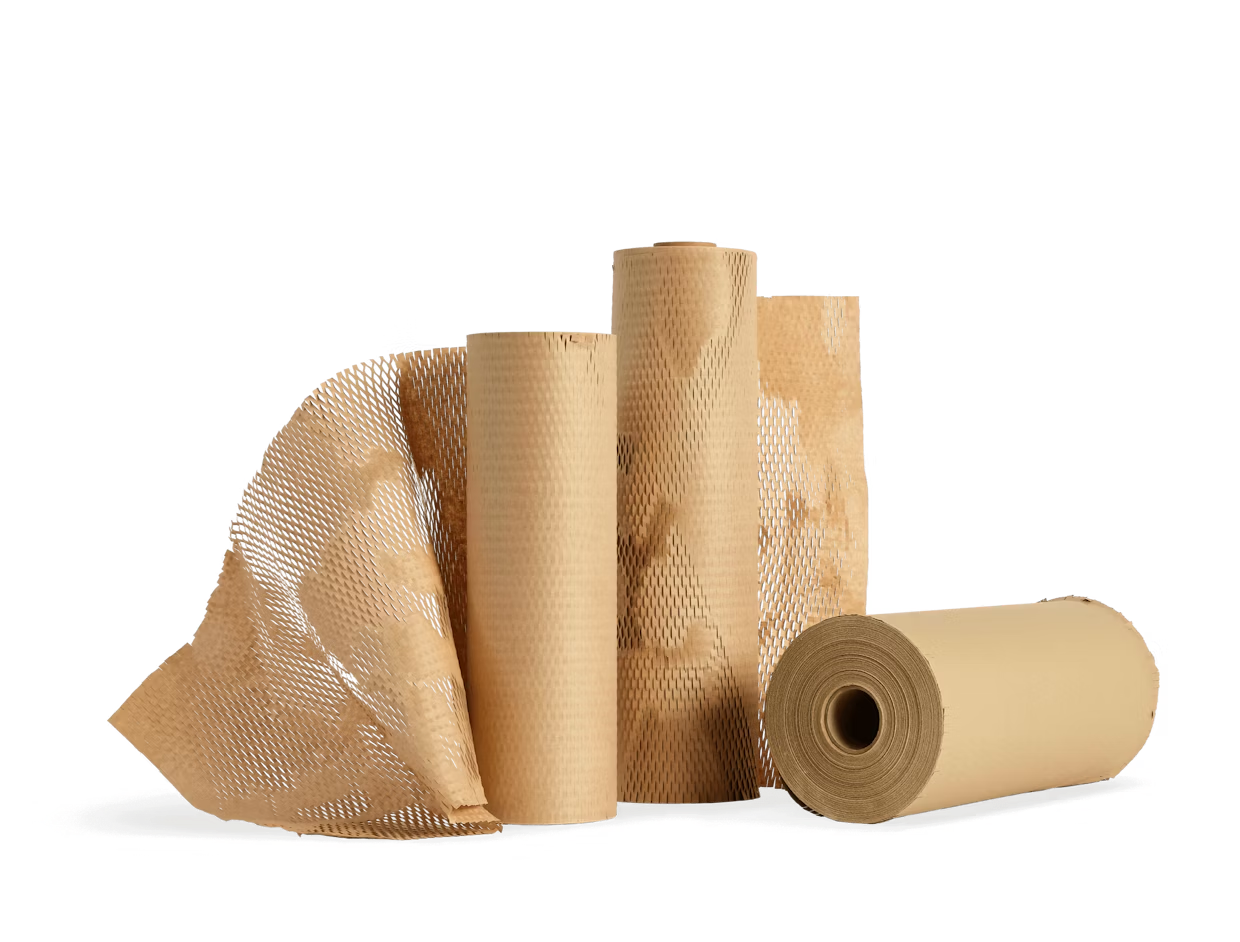
Choosing the right honeycomb paper roll size can make packaging easier, faster, and more cost-effective.
A roll that is too narrow may require additional pieces or more handling.
A roll that is unnecessarily wide may lead to inefficient material use.
The best option depends on what you sell.
What Determines Honeycomb Paper Roll Size?
Consider these factors:
- Product dimensions
- Product shape
- Required wrapping coverage
- Number of products per order
- Packing speed
- Storage space
- Daily order volume
- Budget
Measure Your Products First
Before ordering, measure your most common products.
Record:
- Length
- Width
- Height
- Circumference for cylindrical products
- Fragile sections
If you have many products, start with your top-selling items.
12-Inch Honeycomb Paper
A 12-inch roll can be a practical choice for smaller products.
It may work well for:
- Small cosmetics
- Accessories
- Small gifts
- Compact retail products
- Smaller glass items
- E-commerce orders
The narrower width can be easier to manage when working with smaller items.
20-Inch Honeycomb Paper
A 20-inch roll offers broader coverage.
It can be useful for:
- Larger products
- Large gift boxes
- Bigger decor
- Wide products
- Products requiring broader wrapping
Azopac currently lists a 20-inch honeycomb wrap roll with several length options.

Should You Buy One Size or Multiple Sizes?
If your business sells products with similar dimensions, one size may be enough.
If you sell many different products, multiple sizes can provide more flexibility.
For example:
12-inch → small products
20-inch → larger products
This can reduce the temptation to use excessive material on small products.
Consider Your Packing Station
Your roll needs to fit your workspace.
A good packing station should allow your team to:
- Pull material easily
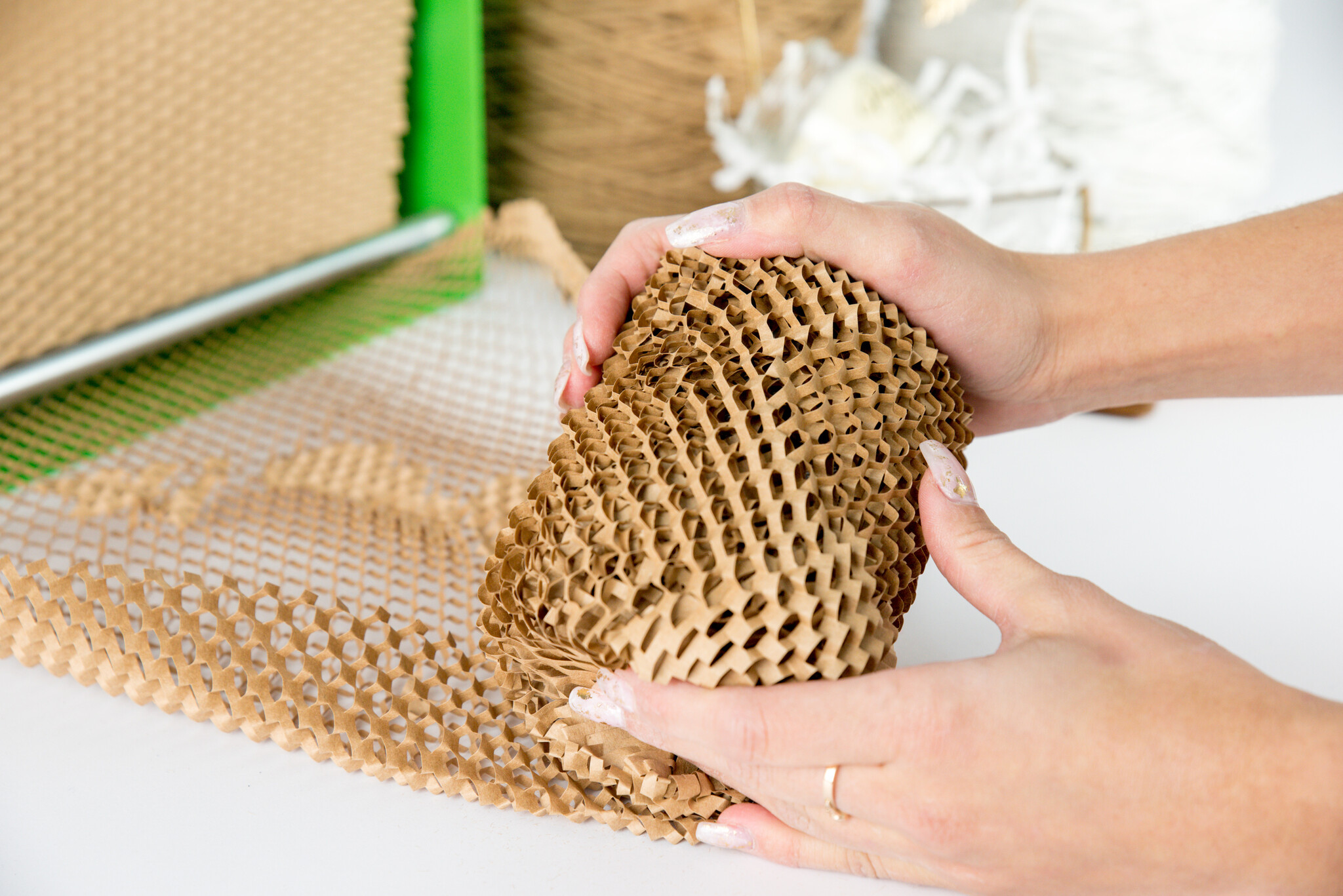
- Expand the honeycomb structure
- Wrap products
- Cut material
- Place products into cartons
If the roll is difficult to handle, it can slow down your packing process.
Consider Your Daily Order Volume
A small business packing ten orders per day has different requirements from a business packing 500 orders per day.
High-volume businesses should prioritize:
- Speed
- Consistency
- Easy handling
- Stock availability
- Standardized packing procedures
Consider Product Protection
Don’t choose a roll size based only on convenience.
The material must provide sufficient coverage for the product.
A product should be appropriately wrapped, especially around fragile areas.
For very fragile products, consider whether additional cushioning is required.
Consider Storage
Before ordering in bulk, check your storage space.
Packaging inventory should be stored in a clean, dry location and protected from conditions that could damage paper materials.
A Simple Selection Formula
Use this process:
1 Step: Measure your product.
2 Step: Identify the amount of wrapping coverage required.
3 Step: Compare the product size with available roll widths.
4 Step: Test the packaging.
5 Step: Measure material consumption per order.
6 Step: Choose the roll size that gives the best combination of coverage and efficiency.
Why Testing Matters
Theoretical calculations are useful, but real-world testing is better.
Take several of your actual products and test the packaging.
Ask:
- Is the product fully covered?
- Is the wrapping easy?
- Is too much material being used?
- Does the package look professional?
- Does the product remain stable?
- Can the packing team repeat the process quickly?
Choosing Honeycomb Paper From Azopac
Azopac currently offers honeycomb paper products in multiple sizes, including 12-inch and 20-inch options.
The best choice depends on your product catalogue rather than simply choosing the largest available roll.
Final Thoughts
Choosing the right honeycomb paper roll size is about matching your packaging material to your products.
For smaller products, a 12-inch roll may be easier to manage.
For larger products, a 20-inch roll may provide better coverage.
If your business sells a variety of product sizes, consider keeping both options available.
Choose your roll based on product dimensions, protection requirements, material efficiency, and your daily packing workflow.